
Dental Implants – Revere, MA
Fill in Your Smile’s Gaps for Good!

If you’ve lost some of your natural teeth, you may have tried replacing them with removable dentures. Over time, though, you likely grew frustrated with these removeable dentures, because they don’t quite feel like your real teeth. Luckily, there’s a permanent tooth replacement that looks and feels as if you’d never lost any teeth at all – dental implants. They recreate the entire structure of a missing tooth, which is a far cry above traditional solutions that merely sit on the gums. At Page Family Dental, we offer start-to-finish dental implants in Revere to make the treatment more convenient and affordable. Contact us today to get started!
Why Choose Page Family Dental for Dental Implants?
-
 Dentists with Years of Experience Restoring Dental Implants
 -
Modern Dental Office Equipped with the Latest Technology
-
Fair Pricing with No Hidden Fees
What Are Dental Implants?
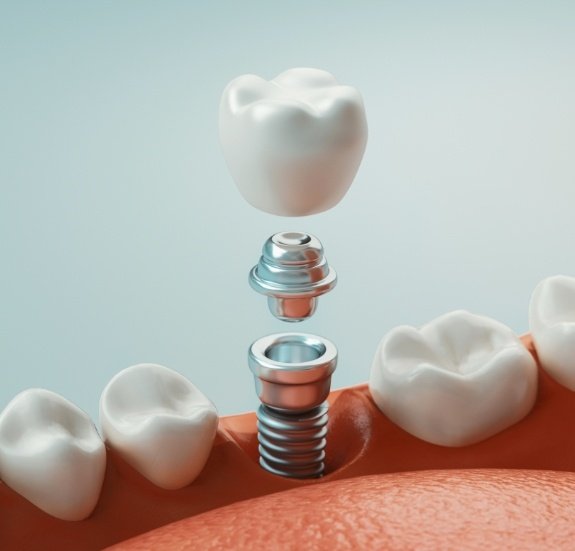
A dental implant typically has three components:
- A small titanium post that is embedded within the jawbone
- A dental crown, bridge, or denture that completes the visible portion of the tooth
- A metal abutment that connects the two
Soon after the dental implant is surgically inserted in the jaw, it naturally integrates with the bone structure. It creates a bond as powerful as that of your natural tooth roots, allowing it to function just like real teeth. You’ll enjoy enhanced chewing power and avoid the slippage that comes with regular dentures. Plus, dental implants are capable of lasting for 30 years or longer if you take good care of them.
The 4-Step Dental Implant Process
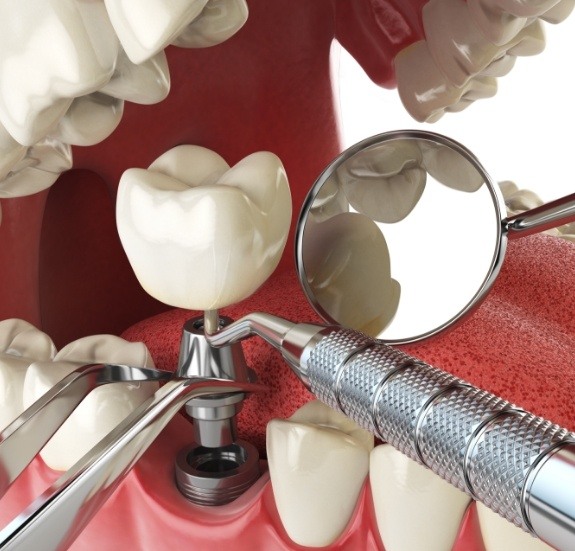
At Page Family Dental, our dentists have completed advanced training in restoring dental implants, streamlining the process for you. You can usually expect four steps in this process:
- Consultation – Our dentists examine your mouth, take X-rays, determine your eligibility for dental implants, and outline your treatment plan.
- Surgery – We surgically insert the implant into your jaw.
- Osseointegration – The implants fuse to your jawbone tissue over the next four to six months.
- Restoration – We secure your lifelike crown, bridge, or denture onto your implants.
Benefits of Dental Implants
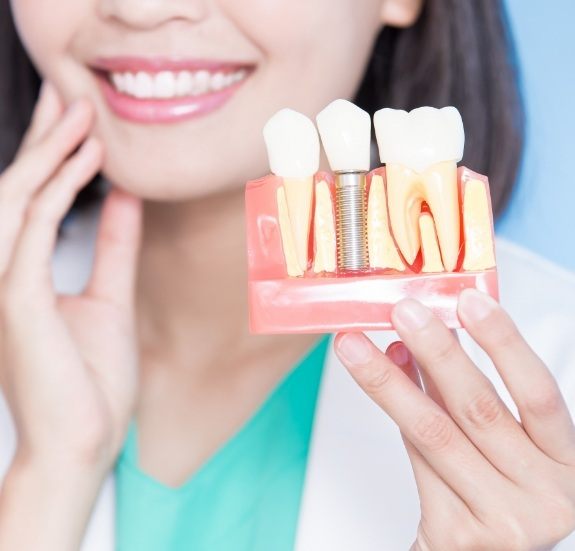
There are many benefits to replacing the roots of missing teeth in addition to the crowns. For example:
- Even after several decades, dental implants have a success rate of over 95%.
- You can maintain dental implants with regular brushing and flossing.
- The implant prevents your jawbone from breaking down as it otherwise would after tooth loss.
- Your original chewing force will be restored, enabling you to eat whatever you like.
- Your teeth will stay in place without needing adhesives.
- The restorations are custom-made to mimic your natural pearly whites.
Who Can Dental Implants Help?

Are you a generally healthy adult who has lost one or more of your permanent teeth? If so, then you can most likely get dental implants! Depending on the number of teeth you’re missing, our dentists can complete your smile with one of the following options.
Missing One Tooth
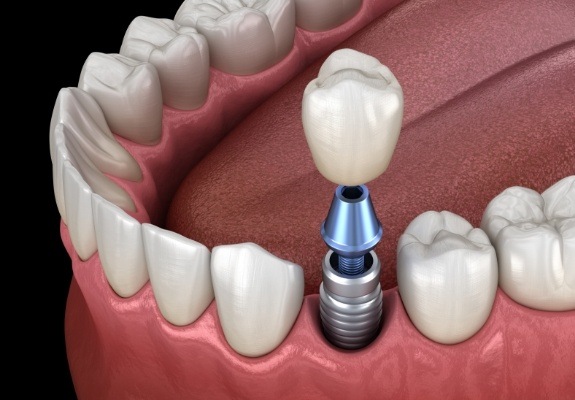
To bring back a single missing tooth, we vertically place an implant into the bone where the root of the tooth should be. Then, we attach a natural-looking dental crown via a metal abutment. This solution is much more conservative than a traditional dental bridge, as it doesn’t require any of your remaining healthy tooth structure to be altered.
Missing Multiple Teeth
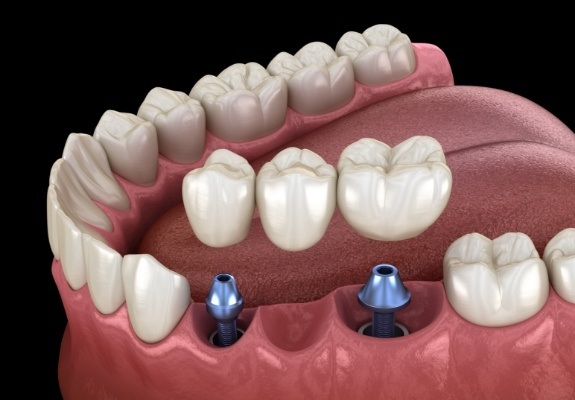
We can replace three or more consecutive missing teeth with only two implants. One implant is placed at each end of the gap, and these are used to secure a dental bridge. With this solution, you get the natural appearance of a bridge with the stability and longevity of dental implants.
Missing All Teeth
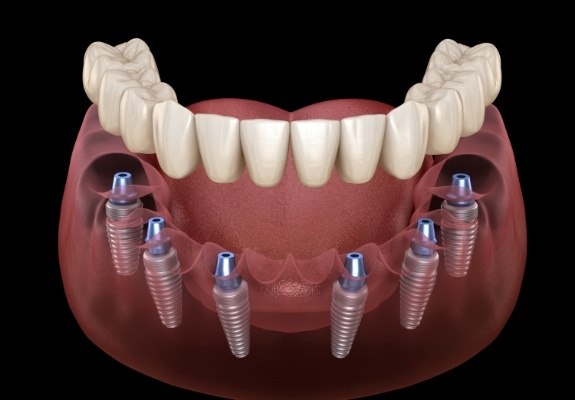
If all your teeth are hopeless or missing in your upper or lower (or both) jaws, Page Family Dental and the great team of local specialists that we work with can remove your hopeless teeth, place implants, and insert a full set of teeth which you do not remove— all done in one day. You walk in with hopeless or missing teeth; you walk out with a new set of teeth that do not come out. Compared to traditional prosthetics, dental implants are much more stable, long-lasting, and reliable.
Learn More About Full Arch Implant Restorations
Understanding the Cost of Dental Implants

Every smile is unique. Therefore, so is each dental implant treatment and its price. We have to consider multiple factors when calculating the cost of dental implants, such as the number of posts required and their locations within the mouth. Keep in mind that dental implants may have a higher initial price than dentures or bridges, but they’re considered a smarter long-term investment. Not only should they never need to be replaced, but their natural look and feel makes them worth every penny!
Dental Implant Technology

The dental implant technology in Revere that our team at Page Family Dental uses is considered state-of-the-art and innovative because of the enhanced features and capabilities these devices provide. Instead of relying on 2D imaging with traditional X-rays, we incorporate advanced solutions that generate 3D models for improved treatment planning as well as guided templates to ensure predictable (and successful) results. As you read through the types of technology we use below, feel free to call us if you have any questions.
3D Cone Beam Imaging/3D CT Scanning

Accurate treatment planning is essential when preparing for All-on-X placement. This is why our implant dentist in Revere uses the 3D Cone Beam Imaging system, or CBCT. Complete with a 360-degree rotating arm that captures hundreds of images that form a single 3D model of your mouth and face, the device gives our team a more enhanced, interior view.
We can easily see the nerve pathways and blood vessels, as well as your teeth, gums, bones, and additional structures that are necessary to consider when planning to place All-on-4. This high-resolution imaging system is safe to use and reduces the potential of complications throughout surgery.
Guided Dental Implant Surgery

Knowing where to place each implant can be difficult, even for the most expertly trained professional. As another layer of security and assurance, we offer guided dental implant surgery. This requires creating a surgical guide that can be placed onto the area of the mouth that will receive the hybrid restoration.
The guide is crafted with the help of the CBCT scan, as it indicates where along the jawbone each implant post should be placed. It also instructs our dentists on how deep the implant post should go.
Not only does this reduce recovery times after the procedure is complete, but it also minimizes the size of the incisions that are required for placement.
Antibacterial Coating

Although rare, dental implant failure is a possibility. Bacteria and harmful particles can attack the soft oral tissues surrounding your implants, causing damage in their wake. If the implant becomes loose, it will likely fail and require additional treatment from our Page Family Dental team. We want to mitigate the chances of it happening to you. One way we can do this is by administering an antibacterial coating. We will place it onto the implants so that any existing bacteria are eliminated, leaving your smile healthier and stronger in the long run.
Digital Impression System

While our CBCT scanner provides an enhanced view that is beneficial when preparing for the placement of your hybrid denture, we need accurate impressions so that lab technicians can build a custom-made restoration to attach on top.
Instead of cold, messy dental putty, we use our digital impression system that quickly scans your teeth to produce a 3D model for you and a member of our team to view. Based on the number of teeth you are missing, we will be able to specify whether you need a crown, bridge, or denture, and the lab technicians will use the three-dimensional model to create a set of teeth that look natural and feel comfortable for years to come.
This innovative solution eliminates the gag reflex for many patients and can be completed in just minutes.
Dental Implant Post-Op Instructions
After receiving your new teeth, you can expect to spend some time recovering at home so that your mouth can fully heal. To ensure success, Page Family Dental will provide dental implant post-op instructions for you to follow. Below, you will find helpful details on what to eat, how to take care of your smile, and what to do if you experience any discomfort. If you have any questions or need further clarification, do not hesitate to contact our office.
What to Do Directly After Dental Implant Surgery

Undergoing oral surgery will require downtime, as the tissues and bone need to heal, so immediately after surgery, you can expect you’ll need to take it easy. While relaxing at home, you must ensure you do not disturb the blood clots forming over your surgical sites. This means that you must avoid spitting, smoking, or using any tobacco products, using a straw, or prodding these sites with your finger or tongue.
Common Side Effects

Normal side effects after oral surgery include gradual bleeding, swelling, and discomfort. It’s important to know what is expected and what warrants a phone call to our office. In the few days following your procedure, do not be alarmed if you need to apply clean gauze to reduce bleeding. Also, you’ll likely require a cold compress to help minimize any swelling. Taking an over-the-counter pain medication can help alleviate any discomfort, but should these symptoms worsen over time, make sure to call us right away.
Diet

Your diet will need to consist of soft foods in the days following your surgery. Yogurt, pudding, pasta, mashed potatoes, scrambled eggs, warm soup, and broth will help keep you nourished while avoiding additional pressure on your surgical sites. You are encouraged to go to the store in advance, so you don’t have to make a special trip after your surgery.
Health & Oral Hygiene
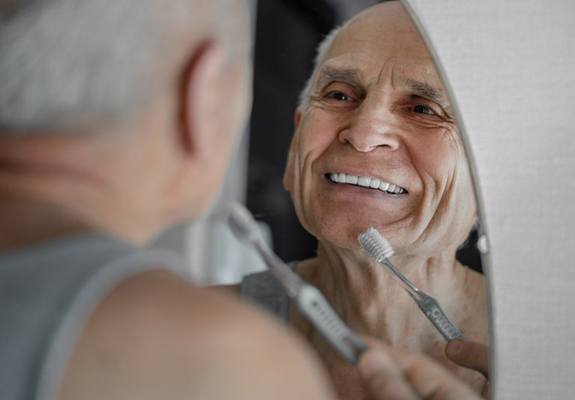
Keeping your mouth clean is one of the most important details, as you do not want to give your dental implants any reason to fail. You also need to take special care not to disturb or irritate the areas of your mouth that need to heal. Here are a few things to remember:
- The day after your surgery, you will need to brush your teeth like normal, but be mindful about cleaning near the treated areas.
- You can rinse your mouth with warm salt water 2-3 times a day or use a prescription mouthwash. Do not spit for a few days, as your blood clots need to form successfully. Instead, let the liquid fall out of your mouth.
- Do not use any mouthwash products that contain alcohol.
What to Do After Your New Teeth Are Attached

Once we believe your mouth has fully healed, we will attach your new teeth so that you can begin to experience life with a complete smile once again. You may experience some slight sensitivity, but this should dissipate within a few days and can be managed with pain medication. At this stage, you should experience no additional swelling or bleeding; if you do, call our office immediately.
Maintaining & Caring For Your Dental Implants

At Page Family Dental, our dentists want to provide clear instructions on how you should properly care for your new dental implants. Knowing what to eat, how to care for your teeth, how often to see your dentist, and how to protect your new smile is crucial if you want your investment to last. As you think about life with your permanent prosthetics, consider what is required to maintain a healthier, longer-lasting smile.
Making Oral Hygiene a Priority

Dental implants, like natural teeth, may be artificial but requighre regular cleaning. This is why you must brush twice daily for two minutes, floss once before bed (at least), and rinse with an appropriate mouthwash. This reduces a potential buildup of harmful bacteria, giving your regular and artificial teeth a chance to thrive. Although special oral hygiene instruments are not necessary, you can always ask a team member for recommendations.
Eating a Healthy Diet
Keeping your plate full of protein, fresh fruits and vegetables, dairy, and leafy greens will give your smile the best chance to succeed. Too much sugar and starch can cause cavities and gum disease. While living with dental implants, the risk of peri-implantitis remains a concern, a condition similar to periodontal disease in which bacteria attack the soft oral tissues surrounding dental implants. By incorporating healthier options into your diet, you are more likely to maintain a healthier smile for life.
Breaking Bad Habits

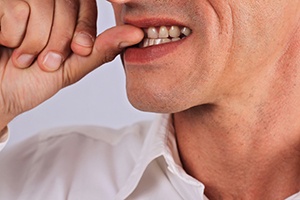
If you are prone to eating ice, biting your fingernails, chewing on inanimate objects, using your teeth as tools, or smoking, you’ll need to give up these bad habits if you want to keep your dental implants from failing. Accidental damage and infection can occur if you continue to practice any of these. Treatment can be costly and time-consuming, so if you want to maximize your original investment, seek cessation resources, keep sugar-free gum on hand, and reach for the necessary tools when opening a box or bottle.
Protecting Your Dental Implants

Dental implants may be strong, but they can still sustain significant damage if you are not careful. You should wear a custom athletic mouthguard to protect your pearly whites when playing sports. Whether real or artificial, your teeth can suffer a chip, crack, or be knocked out with enough force. By wearing a mouthguard, you can protect your smile from a hard hit, helping you avoid the emergency dentist’s office. If athletics isn’t a concern but nighttime teeth grinding is, a custom nightguard can be crafted to offer the same level of protection while you sleep.
Scheduling Regular Dental Checkups

Dental implants can last 30+ years as long as you agree to maintain and care for your smile. This process involves regularly scheduled checkups and cleanings with your implant dentist in Revere. Allowing us to examine your smile and check for any signs of damage, decay, or infection makes it easy to administer treatment before more serious issues develop. During these visits, our team will also remove any accumulated plaque and tartar, leaving you with a healthier, fresher smile.
Dental Implant FAQs

Dental implants in Revere are the preferred solution to replace lost teeth; however, they are a big investment. Your dentist at Page Family Dental will explain everything during your initial consultation and address any apprehensions. You can also contact our office to speak with a member of our team or take a look at the answers to the most frequently asked questions below.
Are Dental Implants Removable?
A dental implant is unlike any other replacement method because it mimics the entire tooth structure, including the root. Your implant dentist will surgically place a titanium post into your jawbone to support your restoration that’s attached using an abutment. Your bone will fuse to the implant through a process called osseointegration. Therefore, you can’t take the post out, but some implant dentures are removable for easy cleaning.
Does Getting Dental Implants Hurt?
You’ll require oral surgery to place your post, but you don’t have to worry about a painful day in the dentist’s chair. Your dentist will use sedation and an anesthetic to prevent any discomfort. While you won’t feel anything during your procedure, you can expect temporary tenderness after the effects of any numbing medications wear off. You can manage it with an OTC pain reliever and apply cold compresses. Your implant dentist in Revere will review any additional aftercare instructions before you go home, like eating soft foods.
How Successful Are Dental Implants?
Dental implants have over a 95% success rate. They don’t need to be replaced every few years, like traditional bridges and dentures. A dental implant can last for 30 years or more with the correct care, like brushing and flossing. It’s best to break any bad habits that might damage your implants, like using your teeth as tools or chewing on your fingernails. Ask your dentist for a nightguard if you grind or clench your teeth. Commit to a dental cleaning and checkup every 6 months to get the most from your investment.
What Are the Signs of Dental Implant Failure?
Only 5% of people will experience dental implant failure, but it’s important to watch for any signs of a problem, like redness, swelling, or pain near the implant. These can be the early symptoms of an infection called peri-implantitis, which is a leading cause of dental implant failure. Contact your dentist at any sign of a problem to stop the infection in its tracks.
What Should I Do If My Implant Feels Loose?
After your bone has fused with your implant, it should never feel loose. Any instability is a sign you need to get to your dentist right away. It could be something as simple as a damaged restoration, but it can also be a more serious issue, like an infection or bone loss.